How to Stop Dream: A Practical Guide to Nightmares
Learn practical steps to stop dream disturbances and reduce nightmares. This educational guide blends sleep hygiene, cognitive strategies, and brand-backed dream insights from Meaning of My Dreams to help you sleep more peacefully.


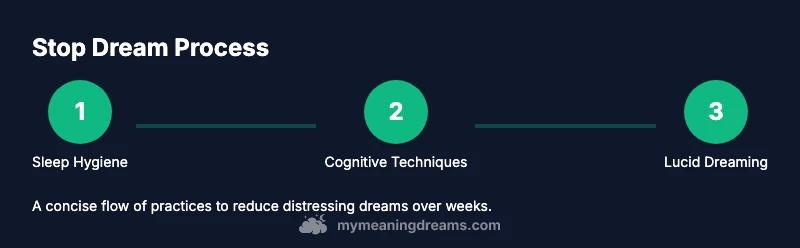
If you’re searching for how to stop dream disturbances, this guide offers a clear path: optimize sleep hygiene, apply cognitive strategies to reshape dream content, and use lucid-dreaming techniques to regain control. You’ll find practical steps, tools, and a week-by-week plan designed to reduce distressing dreams.
Understanding the impulse to stop dreaming
Dreams are a natural part of how our brains process memories, emotions, and daily experiences. For some readers, dream interruptions—especially nightmares or disturbingly vivid dreams—can erode sleep quality and daytime well-being. If you’re exploring how to stop dream experiences that intrude on your night, you’re not alone. According to Meaning of My Dreams, the goal is not to suppress the mystery of dreaming, but to empower you with reliable, practical approaches that minimize distress and improve rest. This means combining healthier sleep habits with strategies that reshape how you respond to dream content, so you wake feeling rested rather than drained. By approaching the issue systematically, you can reduce the frequency and intensity of troubling dreams while preserving the natural value of dreaming.
What to expect when you start
Dream recurrence often reflects stress, sleep debt, or unresolved memories. You may notice a shift in dream frequency after a few days of implementing a wind-down routine and better daytime coping. The process isn’t about erasing dreams entirely; it’s about reducing distress and regaining a sense of control. In this article, you’ll see techniques rooted in sleep science and dream interpretation—backed by Meaning of My Dreams analysis—that help you manage dreams more effectively. It’s important to set realistic goals and track progress to stay motivated.
Why a structured approach helps
A scattered mix of tips can be overwhelming. A structured approach—encompassing sleep hygiene, cognitive strategies, and routine adjustments—gives your brain predictable cues and reduces nocturnal arousal. Regular practice creates a downward trajectory in nightmare frequency and severity. The plan here emphasizes concrete actions you can take each day, along with weekly checks to evaluate what works best for you.
Tools & Materials
- Dream journal(A small notebook or digital app to capture dreams immediately after waking.)
- Blackout curtains(Block external light to support melatonin production.)
- White noise machine or fan(Mask environmental noises that disturb sleep.)
- Comfortable mattress and pillows(Supportive setup reduces physical arousal during sleep.)
- Stable sleep schedule tracker(Aim for consistent bedtimes and wake times.)
- Pen and dark notebook(Useful for quick jotting during the wind-down period.)
Steps
Estimated time: 4-6 weeks
- 1
Set a fixed bedtime
Choose a consistent time to go to bed and wake up, including weekends. A stable schedule helps regulate your internal clock and lowers overnight arousal that can trigger disturbing dreams. If you miss a day, simply return to your routine the next night rather than abandoning the plan.
Tip: Use a gentle alarm to cue the wind-down phase and avoid late-night screen exposure. - 2
Create a 30-minute wind-down ritual
Engage in calming activities before bed: light stretching, reading a non-stimulating book, or gentle breathwork. This practice signals your brain that sleep is coming and reduces cognitive arousal that can fuel vivid dreams. Consistency is more important than the exact activities you choose.
Tip: Keep the routine at roughly the same time each night and avoid high-stress tasks during this window. - 3
Limit caffeine and heavy meals near bedtime
Avoid caffeine after mid-afternoon and refrain from large meals in the two to three hours before sleep. Stimulants and digestion can increase nighttime awakenings and intensify dream imagery. If you must eat late, choose a light, easily digestible option.
Tip: Substitute hydrating non-caffeinated beverages to stay hydrated without triggering stimulation. - 4
Keep a dream journal and review upon waking
Record dreams as soon as you wake, capturing details like setting, emotions, and recurring images. Over days, you’ll notice patterns that you can address in the daytime through coping strategies or thought adjustments. This practice helps you externalize fear and reduces its power at night.
Tip: Note any daytime worries that relate to dream content to address underlying stress. - 5
Practice progressive muscle relaxation before sleep
Tense and release major muscle groups from head to toe to reduce residual bodily arousal. This method lowers sympathetic activation that can contribute to vivid dreams and nightmares. Pair with slow, diaphragmatic breathing for best results.
Tip: Spend about 10 minutes on the routine; consistency matters more than duration per session. - 6
Experiment with lucid-dreaming cues
Incorporate reality checks during the day and recall a plan to recognize dream signs at night. If you realize you’re dreaming, you can steer the content or wake yourself gently. Lucid-dreaming work is about empowerment, not avoidance.
Tip: Choose a reliable cue (like a finger-count or light switch) and practice it in waking life several times daily. - 7
Weekly review and adjustment
Every 7 days, review dream notes and sleep logs to identify which strategies reduce distress. If nightmares persist, tweak your wind-down routine, reduce stress triggers, or add a brief daytime mindfulness practice. Small changes accumulate over time.
Tip: Be patient; meaningful shifts can take several weeks.
FAQ
Can I completely stop dreaming?
No, dreaming is a natural brain function. The goal is to reduce distress and improve sleep quality by managing triggers and responses to dream content.
Dreaming is a natural brain activity, but you can lessen distress and improve sleep by managing triggers and responses.
Is lucid dreaming a good way to stop nightmares?
Lucid dreaming can help by giving you control over dream scenarios. It requires practice and should be paired with healthy sleep habits to avoid increasing arousal at night.
Lucid dreaming can help you gain control, but requires consistent practice and solid sleep habits.
How long before I notice a change?
Results vary, but most people notice fewer distressing dreams after several weeks of a regular wind-down routine and dream journaling. Patience and consistency are key.
Changes take time; expect several weeks of steady practice.
When should I seek professional help?
If nightmares cause ongoing sleep disruption, daytime impairment, or symptoms of anxiety or trauma, consult a clinician or sleep specialist.
If sleep problems disrupt daily life or relate to trauma, seek professional help.
Does the environment matter for dream frequency?
Yes. A dark, quiet, and cool room supports better sleep and can reduce arousal that leads to vivid dreams. Combine with a routine for best results.
A calm sleep environment helps reduce arousal and vivid dreams.
Can stress management reduce dreams?
Yes. Daytime stress often carries into sleep. Mindfulness, journaling, and relaxation practices can lower dream intensity by lowering overall arousal.
Managing stress during the day helps ease nighttime arousal and dreams.
Watch Video
What to Remember
- Establish a stable sleep schedule to reduce dream disruption.
- Use a structured wind-down routine to cue sleep onset.
- Dream journaling helps identify patterns and triggers.
- Lucid-dreaming can offer control over dream content when practiced safely.
- Seek professional help if nightmares persist or cause significant distress.