How to prevent vivid dreams: practical strategies
A practical, evidence-based guide to reduce vivid dreams through sleep hygiene, stress management, and lifestyle tweaks. Learn proven steps to sleep more soundly and minimize dream intensity.


According to Meaning of My Dreams, you can reduce vivid dreams by improving sleep quality and reducing stress. Establish a stable nightly routine, keep a consistent bedtime, and minimize caffeine or late meals. Treat possible sleep disorders, as they often trigger intense dreams. With steady habits and environments that support restful sleep, many people experience fewer and less intense vivid dreams.
How to prevent vivid dreams: a quick science overview
Vivid dreams are not a failure of imagination; they are part of normal REM sleep when dreaming is most intense. The frequency and clarity of dreams can surge when sleep is fragmented or when stress levels are high. Understanding this connection helps map practical steps for how to prevent vivid dreams. According to Meaning of My Dreams, dream intensity often reflects the brain's attempt to process emotions and memories during the night. When the sleep cycle is disrupted by late caffeine, irregular bedtimes, or an uncomfortable environment, REM stages may intrude more often, producing bright, memorable dreams. By focusing on reliable sleep architecture, you can dampen the triggers that turn ordinary dreaming into vivid experiences. Remember that individual differences exist; what works for one person may take time to work for another. This section lays a foundation for safer, calmer nights while preserving natural dreaming as a healthy part of memory consolidation.
Sleep hygiene basics to reduce vivid dreams
Modern sleep hygiene is the first line of defense against vivid dreams. By stabilizing your sleep-wake schedule and optimizing your bedroom, you create a predictable environment for your brain to unwind each night. The goal is not to suppress dreaming entirely but to minimize the discord between your circadian rhythm and external stimuli that can trigger intense REM activity. Meaning of My Dreams analysis shows that small, consistent changes—like going to bed at the same time every night, using blackout curtains, and keeping the bedroom cool—can noticeably reduce dream intensity within a few weeks. Practical habits include avoiding screens for at least an hour before bed, limiting caffeine after mid-afternoon, and keeping a quiet, dark, and comfortable sleep space. If you share your bed with a partner who snores, consider a nasal strip or speaking with a clinician about potential sleep apnea. A calm bedtime ritual—reading, gentle stretching, or deep breathing—signals to your brain that it's time to switch from active wakefulness to restorative sleep. This consistent routine supports more predictable REM patterns and calmer nights.
Diet and substances that influence dreams
What you eat and drink can nudge how vividly you dream. Large meals close to bedtime can increase digestive activity and influence REM timing for some people. Caffeine late in the day tends to keep parts of the brain more alert during the night, potentially heightening dream recall. Alcohol may initially seem to help you fall asleep, but it fragments sleep and can lead to a rebound of REM sleep in the early morning, intensifying dreams. Spicy foods and dairy products can also disturb digestion or mucus production, which may indirectly affect sleep quality. Meaningful tweaks include finishing meals 2–3 hours before bed, choosing lighter dinners, and staying hydrated without overdrinking. The aim is a stable, balanced evening routine that supports smooth sleep cycles rather than stoking overnight arousal.
Stress management and mental health strategies
Mental and emotional stress is a major trigger for vivid dreams. Mindfulness meditation, journaling, and cognitive-behavioral strategies can reduce nighttime arousal. Daily practice of 10–20 minutes of breathing exercises or progressive muscle relaxation before bed helps cue the body that sleep is approaching. Regular movement and daylight exposure during the day improve circadian alignment, which in turn stabilizes REM sleep. If anxiety or traumatic memories drive your dreams, consider talking with a therapist who can tailor techniques to your situation. Meaning of My Dreams analysis shows that lowering daytime stress often correlates with fewer intense dreams at night. Building these routines gradually yields lasting benefits for sleep quality and dream clarity.
When to seek medical evaluation
Persistent, extremely vivid dreams that disrupt daytime functioning may signal an underlying sleep disorder or medical issue. Seek evaluation if you snore loudly, wake gasping for air, fall asleep during the day, or experience frequent awakenings with lingering dream recall. If medications you take are linked to vivid dreams, discuss alternatives with your clinician. Nightmares that occur with PTSD or significant distress should also be reviewed by a mental health professional. A clinician can rule out conditions like sleep apnea, restless legs syndrome, or narcolepsy and propose appropriate therapies.
Practical routines to implement tonight
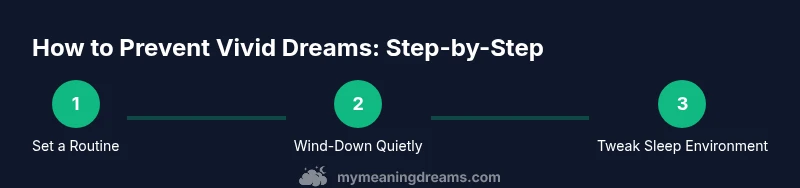
Start with a simple, repeatable wind-down and sleep routine. Tonight: dim lights 60 minutes before bed, put away screens, and engage in a quiet activity such as reading or gentle stretching. Set a consistent bedtime, and ensure your sleep environment is cool, dark, and quiet. If you wake briefly during the night, avoid checking the clock and use a brief breathing exercise to return to sleep. Over the next week, gradually reduce caffeine after lunch, and replace late-evening snacks with light, easy-to-digest options. Track your sleep times and dream recall in a journal to identify patterns. A steady routine helps your brain associate night-time with rest rather than arousal, reducing vivid dream experiences over time.
Common myths about vivid dreams, debunked
Myth: Nightmares mean something is seriously wrong. Truth: Vivid dreams are common and often reflect daily stressors; they’re not necessarily dangerous. Myth: Dreaming less is better. Truth: Dreaming is a normal part of memory processing; the goal is balanced, not absent, dreaming. Myth: Medications always cause vivid dreams. Truth: Some drugs can influence REM sleep, but adjusting routine and addressing sleep hygiene can mitigate effects for many people.
Tools and apps that can help, with caveats
Sleep trackers and dreaming journals can help you observe patterns, but they aren’t diagnostic tools. Use them to identify triggers and test changes, not as a substitute for professional advice. Prefer evidence-based apps that emphasize sleep hygiene, relaxation, and circadian alignment over hype about dream control. If you notice significant sleep disruption, consult a clinician. Remember that technology should serve your sleep, not become a source of blue light and distraction.
How to calibrate your progress and maintain gains
Progress isn’t linear. Set realistic expectations, track nightly sleep quality, and review dream reports weekly. Celebrate small improvements, such as fewer awakenings or less intense recall, and adjust routines gradually. Revisit stress management techniques when you notice rising dream intensity, and maintain a consistent sleep schedule even on weekends to preserve gains. The Meaning of My Dreams team emphasizes patience and consistency as keys to lasting improvement.
Tools & Materials
- Sleep diary(Record bedtimes, wake times, dream intensity, recall, and triggers.)
- Blue-light blocking glasses(Optional in the wind-down phase to limit evening light exposure.)
- Relaxation app or guided breathing(Use 5–15 minutes before bed to calm the mind.)
- Caffeine tracker(Log caffeine intake and timing to observe sleep impact.)
- Dark, cool sleep environment(Aim for a quiet, temperature-controlled room.)
Steps
Estimated time: 4-6 weeks
- 1
Set a consistent bedtime
Choose a fixed time to go to bed and wake up, even on weekends. Consistency helps stabilize your circadian rhythm and REM cycles, reducing surprise awakenings that can trigger vivid dreams.
Tip: Use a smartphone alarm for wake time and a gentle wind-down cue 60 minutes before bed. - 2
Create a calming pre-sleep routine
Engage in quiet activities like reading, light stretching, or deep breathing for 10–20 minutes before bed. This signals your brain to transition from wakefulness to sleep and lowers nocturnal arousal.
Tip: Avoid screens and intense mental work during the wind-down. - 3
Optimize the sleep environment
Make the room dark, cool, and quiet. Use blackout curtains, a white-noise machine, or a fan to reduce disturbances that can fragment REM sleep and heighten dream recall.
Tip: Keep electronics out of reach of the bed to minimize impulse checking. - 4
Limit stimulants and late meals
Avoid caffeine after early afternoon and finish dinner 2–3 hours before bed. Heavy or spicy meals can disrupt digestion and sleep architecture, contributing to vivid dreams.
Tip: If you must eat late, choose a light snack with protein and complex carbs. - 5
Practice stress-reduction techniques
Incorporate 5–10 minutes of mindfulness, journaling, or progressive relaxation into your day. Lower daytime stress lowers nighttime arousal and REM intensity.
Tip: Keep a worry log and postpone non-urgent concerns until daytime. - 6
Track progress and adjust
Review dream recall and sleep quality weekly. If vivid dreams persist, experiment with minor routine tweaks and consult a clinician if needed.
Tip: Small, incremental changes yield lasting improvement.
FAQ
What causes vivid dreams?
Vivid dreams can arise from REM sleep fluctuations due to stress, anxiety, sleep fragmentation, medications, or trauma. Understanding triggers helps tailor prevention strategies.
Vivid dreams come from REM sleep shifts; identifying triggers helps you adjust routines.
Can medications cause vivid dreams?
Some medications can increase dream vividness or awakenings during the night. If you notice a change after starting a new drug, discuss alternatives with your clinician.
Medication changes can affect dreams; talk to your doctor about options.
Will reducing caffeine stop vivid dreams?
Reducing caffeine, especially later in the day, can lessen nighttime arousal for many people, which often reduces dream intensity. Results vary by individual.
Cutting back on caffeine can help, but results differ.
When should I see a doctor for vivid dreams?
Ask a clinician if vivid dreams persist despite good sleep hygiene, involve daytime impairment, or accompany loud snoring or other sleep symptoms.
If vivid dreams keep you from functioning, seek medical advice.
Are nightmares the same as vivid dreams?
Nightmares are distressing dreams that cause fear or anxiety upon waking. Vivid dreams can be intense but aren’t always distressing. They may overlap but are not identical.
Nightmares are distressing; not all vivid dreams are nightmares.
Watch Video
What to Remember
- Establish a stable sleep routine.
- Limit caffeine and late meals.
- Track dream patterns with a diary.
- Seek medical help if vivid dreams persist.
- Be patient—the process takes weeks.