How to Make Someone Dream About You Spiritually: A Step-by-Step Guide
Explore ethical, spiritual methods to influence dream imagery with consent and clear intentions. Learn steps for visualization, journaling, grounding, and respectful energy work.


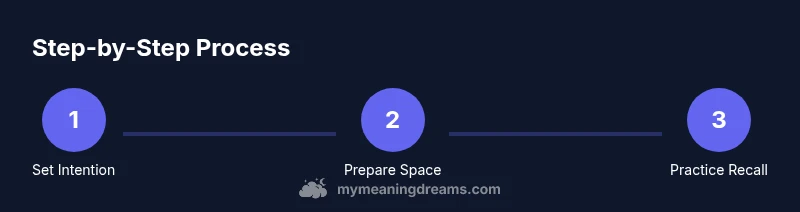
How to make someone dream about you spiritually involves respectful intention, ethical boundaries, and mindful energy work. This guide outlines clear steps to set intention, cultivate positive energy, and reflect on dream symbolism without coercion. By aligning with consent and personal boundaries, you can explore dreams as a shared spiritual practice rather than manipulation.
Ethical Foundations for Spiritual Dream Work
Ethical foundations are essential whenever you explore spiritual dreaming about another person. Before attempting anything, ensure you have explicit, voluntary consent from the person involved, and be prepared to honor their boundaries if they decline. This kind of work carries influence and responsibility, so keep safety and respect at the forefront. Your intent should be to support positive self-reflection and mutual growth, not to manipulate or micromanage someone’s inner world. According to Meaning of My Dreams analysis, pursuing dream-related practice without consent can erode trust and create unintended discomfort, which undermines the very purpose of spiritual exploration. Set a personal rule: never bypass assent, pressure, or secrecy. If doubt arises, pause and revisit the motivation behind your interest. In addition, recognize cultural and personal differences in beliefs about dreams; what resonates in one tradition may feel inappropriate in another. Grounding in consent and cultural sensitivity is the bedrock of any ethical dream-work plan.
Setting Intentions with Clarity and Consent
Clear intentions are the foundation of ethical dream work. Begin by drafting a concise, positive intention that centers on mutual growth, mutual respect, and non-coercive exploration. Avoid any aim that seeks to control outcomes or manipulate feelings. Share your intention with the other person only if they have consented to participate in the spiritual process. Write the intention in a dedicated journal, and refer back to it during daily meditation or reflective moments. This practice helps align your energy with your stated goal and minimizes drifting into coercive territory. Remember to check in with yourself: would you feel comfortable if the roles were reversed? According to Meaning of My Dreams, maintaining reciprocity and openness strengthens the ethical framework for dream-based practices.
Understanding Dream Symbols and Meaning
Dream symbols are often personal, but many traditions recognize shared archetypes that carry emotional resonance. The Meaning of My Dreams team notes that common symbols frequently reflect current life concerns, relationship dynamics, and inner processing rather than literal messages. When you engage with symbols, avoid presuming specific outcomes for the other person. Instead, use symbols as mirrors for your own growth and for compassionate dialogue about shared experiences. Keep a dream journal dedicated to notes about imagery, feelings, and any real-life associations that arise after meditative or visualization sessions. This helps you track patterns without crossing boundaries or projecting interpretations onto someone else.
Preparing Your Space and Energy
Energy preparation is about creating a calm, respectful environment. Choose a comfortable, quiet space free of interruptions. Light a candle or burn a small amount of incense if it feels appropriate and mutually agreeable, and consider a brief grounding exercise to settle the breath and body. Use a soft, non-intrusive soundtrack or ambient noise to foster focus without overstimulation. When you describe your space in public or online contexts, emphasize that this is a personal practice conducted with consent and boundaries. The practice also benefits from regular reflection on consent and personal safety, ensuring that your energy work remains humane and non-coercive.
Step-by-Step Morning Dream Recall Ritual
A consistent dream recall ritual improves the quality of symbolic work. Upon waking, resist the urge to check devices; stay still for a minute and gently observe any images, feelings, or sensations. Record your initial impressions in your journal, focusing on what stands out rather than analyzing too quickly. If you remember a dream connected to the other person, document it as your own interpretation and avoid assuming their experience. Over days and weeks, review entries for recurring motifs and note any shifts in your own emotional state. The ritual supports honest reflection and helps you remain anchored in consent and ethical practice.
Visualization and Meditation Techniques
Use short, daily visualization sessions to strengthen your intention without pressuring the other person. Sit comfortably, close your eyes, and imagine a neutral scene in which kindness, calm, and mutual growth are present. Maintain an attitude of openness rather than control. Pair visualization with slow, mindful breathing and a simple mantra that reinforces respect for autonomy. If your attention wanders, gently return to the breath and the intention. Regular practice reduces friction and supports ethical energy alignment.
Communication and Boundaries with the Other Person
Communication is critical to ethical dream work. Before attempting any spiritual practice involving another person, obtain explicit consent and establish boundaries. Make it clear that participation is voluntary and that they can opt out at any time without consequence. If the person expresses discomfort or withdraws consent, stop immediately and reflect on your motivations. Keep all discussions focused on mutual curiosity, not persuasion. Document agreements in a private, respectful way and revisit them periodically to ensure ongoing consent and comfort.
Cultural Sensitivity and Personal Context
Dream beliefs are embedded within cultural and personal contexts. Be mindful of religious or cultural associations with dreams in your and the other person’s communities. Some traditions view dreams as sacred, while others see them as personal insights. When in doubt, favor a cautious approach and invite dialogue rather than assuming universality. This sensitivity helps prevent misunderstandings and demonstrates respect for diverse belief systems. Meaningful dream work grows through humble inquiry and willingness to adjust practices to honor others’ values.
Risks, Boundaries, and When to Stop
Ethical dream work carries potential risks if boundaries are breached. If you notice coercion, distress, or dissociation in yourself or the other person, pause the practice immediately. Do not rely on dreams as a sole basis for decisions affecting someone else’s life or well-being. If uncertainty arises about consent, stop and reassess. The goal is mutual exploration, not manipulation or control. By prioritizing safety and consent, you preserve trust and keep the practice aligned with spiritual growth.
Real-World Scenarios and Applications
In a real-world context, a practitioner might use dream work to explore shared symbolism in a therapeutic or spiritual discussion setting, with clear boundaries and voluntary participation. Scenarios should emphasize consent, ongoing dialogue, and respect for personal boundaries. When participants choose to share dreams, the focus should be on understanding internal experiences rather than directing another person’s emotions or actions. This approach fosters compassion, self-reflection, and a healthier spiritual connection.
Sustaining a Healthy Spiritual Practice
A sustainable practice centers on ongoing consent, mutual respect, and self-awareness. Periodically review your intentions and confirm that they remain aligned with ethical guidelines. Maintain journal notes that reflect your own growth rather than attempts to modify another’s experiences. If you ever feel uncertain about the ethics of a step, seek guidance from trusted mentors or consult credible resources. The Meaning of My Dreams team emphasizes that sustainable spiritual work respects autonomy and fosters trust.
Authority Sources and References
For those seeking credible background on dream research and symbolism, consult authoritative sources such as national health and psychology resources. While personal dreams are subjective, reputable research emphasizes consent, safety, and introspection as core components of any dream-related practice. See referenced materials from credible institutions for broader context and safety considerations.
Tools & Materials
- Dream journal or notebook(Have a dedicated book for nightly reflections and dream sketches)
- Pen and optional colored pencils(For quick, vivid dream notes and symbol sketches)
- Quiet space or meditation cushion(Choose a calm area to reduce distractions during practice)
- Optional: candle or incense(Use only if all parties consent to its use)
- Breath-work timer or gentle bell(Helpful to pace visualization sessions)
Steps
Estimated time: 4-6 weeks
- 1
Obtain consent and set boundaries
Open a respectful conversation about the intention to explore dream symbolism with the other person, ensuring they understand it is optional and can be stopped at any time. Write down agreed boundaries and review them together.
Tip: Document consent in a neutral space to avoid pressure or misinterpretation. - 2
Define a positive intention
Create a concise, non-coercive intention focused on mutual growth and spiritual exploration rather than control. Revisit the intention daily in a calm moment.
Tip: Keep the intention short; longer statements can dilute focus. - 3
Prepare the cleansing and grounding ritual
Engage in a brief grounding exercise—breathing, gentle stretching, or a short meditation—before any visualization to center your energy.
Tip: Use gentle reminders to stay anchored in kindness and consent. - 4
Practice ethical visualization
During daily meditation, visualize neutral, compassionate scenes that emphasize safety and mutual respect rather than attempting to influence outcomes.
Tip: If negative thoughts arise about control, stop and reframe the visualization. - 5
Cultivate dream recall
Keep a dream journal by the bedside and record any imagery upon waking. Note how you felt and any emotional cues rather than deciphering others’ experiences.
Tip: Immediately jot down key images before they fade. - 6
Bridge to dialogue, not manipulation
If dreams are shared, approach the conversation with curiosity, not insistence. Invite the other person to share their perspective in their own time.
Tip: Respect silence and avoid pressuring for details. - 7
Reflect on cultural and personal context
Acknowledge that dream beliefs vary by culture and personal history; adapt practices to respect these differences.
Tip: Ask clarifying questions to understand the other person’s framework. - 8
Assess impact and adjust
Regularly evaluate whether the practice remains ethical, consensual, and beneficial for all involved. If doubts arise, pause and revisit the guidelines.
Tip: Short check-ins can prevent drift into coercive patterns. - 9
Document learnings
Note insights about your own responses, symbol interpretations, and any positive changes in mutual trust.
Tip: Keep personal notes separate from the other person’s experiences. - 10
Know when to stop
If the practice feels misaligned with consent or causes distress, discontinue immediately and seek guidance.
Tip: Safety and autonomy come first. - 11
Seek external guidance when needed
Consult trusted mentors or credible resources if ethical questions arise or you want to broaden your approach responsibly.
Tip: Professional viewpoints can help maintain ethical integrity. - 12
Integrate with personal growth
Use any dream-related insights as catalysts for your own inner work, not as a tool to change someone else’s behavior.
Tip: Center your growth, not someone else’s dreams.
FAQ
Is it ethical to try to influence someone else's dreams?
Ethical practice requires explicit consent, transparency, and respect for boundaries. Never press or manipulate another person into experiencing or sharing dreams. Center the other person’s autonomy and well-being above personal curiosity.
Ethical dream work requires consent and respect for boundaries; never coerce someone into dreaming or sharing details.
What if the person does not consent or withdraws consent?
If consent is withdrawn, stop all activities immediately. Reassess motivations and avoid pressuring the person. Respecting autonomy maintains trust and safety for everyone involved.
If consent is withdrawn, stop immediately and reassess your approach with respect for their autonomy.
Can dream influence be reliably achieved or measured?
Dreams are complex and highly subjective; there is no guaranteed method to influence another person’s dreams. Use dream work for personal reflection and mutual exploration, not as a guarantee of specific outcomes.
There’s no guaranteed way to control someone’s dreams; focus on reflection and mutual exploration instead.
How long before I see changes in dream recall or symbolism?
Dream recall and symbolism often develop gradually. Maintain consistent journaling and mindful practice to observe patterns over weeks, not days.
Changes typically emerge over weeks with steady practice and reflection.
Should I discuss dreams with the other person after they occur?
Yes, only if the other person is comfortable and has given ongoing consent. Approach discussions with curiosity and openness, not insistence or interpretation that overrides their experience.
Discuss dreams only if they’re comfortable and have consented to dialogue.
Are there cultural considerations I should know?
Yes. Dream beliefs vary across cultures; approach with humility, ask about personal beliefs, and adapt practices to honor those perspectives.
Respect cultural differences and adapt practices accordingly.
Watch Video
What to Remember
- Obtain explicit consent before any dream-related practice.
- Use intention, journaling, and visualization for self-reflection, not control.
- Respect boundaries and cultural differences at every step.
- Routinely assess safety and adjust or stop if concerns arise.
- Focus on mutual growth and trust—dream work is a shared journey.