When to Wake Up for Lucid Dream: Optimal Timing Guide
Discover the best wake-up times to boost lucid dreaming. This science-informed guide covers REM-aware scheduling, practical steps, and dream recall strategies for beginners and experienced dreamers.


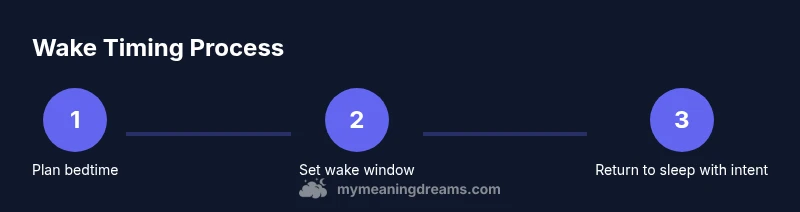
Goal: Improve lucid-dream odds by timing awakenings to REM windows. The most reliable method is wake-back-to-bed (WBTB): wake 4–6 hours after lights out, stay awake 15–30 minutes, then return to sleep with a clear intention to become lucid. Use a gentle alarm, light wake activities, and a concise dream-initiating plan.
Why timing wake-ups matters for lucid dream success
According to Meaning of My Dreams, the timing of wake-ups is a practical lever for lucid-dream success. REM periods tend to cluster in the second half of the night, and the likelihood of entering a lucid state increases when you re-enter sleep during or just after a REM burst. The core idea is to wake up enough to refresh your mind, then fall back asleep with a clear intent to recognize you are dreaming. By aligning wake times with natural REM density, you create repeated opportunities for lucidity without sacrificing overall sleep quality. For many dreamers, this approach feels like a gentle rhythm rather than a disruption, and it improves recall when done consistently. As you fine-tune your schedule, you’ll notice which windows feel most responsive for you, which helps you tailor nightly practice to your own biology.
Quick note on recall and consistency
Dream recall improves when you wake during or just after REM and when you have a consistent routine. Keep a simple dream diary by your bed to capture fragments immediately after waking, which strengthens cue associations over time.
Tools & Materials
- Alarm clock or smartphone with multiple alarms(Set one for your target wake time and another for a fallback if you miss it.)
- Sleep diary or dream journal(Keep it by the bed for quick entries upon waking.)
- Notebook and pen(Use a dedicated notebook for dreams and lucid-dream notes.)
- Comfortable sleep environment (eye mask, earplugs)(Reduces sensory disruption that can wake you unintentionally.)
- Light-to-moderate activity for wake period(Read a short lucid-dream booklet or do calm visualization (no bright screens).)
Steps
Estimated time: Total time: 20–60 minutes per session (setup night), plus ongoing nightly practice as you refine the plan.
- 1
Choose target wake window
Decide which sleep-cycle window you’ll target for waking (commonly after about 4–6 hours of sleep). This balances staying asleep enough to reach REM later and having a fresh mind for the return to sleep. Write down your chosen window to cue your plan.
Tip: Consistency beats intensity—stick to the same window on most nights. - 2
Set up the wake alarm
Program a gentle alarm at your chosen wake time. Use a soothing sound and place the device away from the bed to avoid fully waking up. Confirm you can return to sleep within 15–30 minutes after waking.
Tip: A loud or abrupt alarm can create full arousal, which reduces REM entry. - 3
Plan a 15–30 minute wake period
During this wake window, avoid bright screens. Light activities such as reading a lucid-dream article or repeating a mnemonic can prime your mind without over-stimulating it.
Tip: If you can, do a brief breathing exercise or body scan to ease back into sleep. - 4
Return to sleep with intention
Go back to bed with a clear intention to become lucid. Use a simple phrase (e.g., 'I will realize I’m dreaming') and visualize yourself recognizing a dream cue in vivid detail.
Tip: Pair your intention with a brief visual cue like a familiar dream sign. - 5
Record your dreams immediately
As soon as you wake, jot down dream fragments. Even a few keywords improve recall and help you notice recurring cues that trigger lucidity.
Tip: Keep the journal open and ready; capture sensory details first. - 6
Review and adjust
Evaluate which wake times produced stronger lucidity and which didn’t. Tweak the window, wake duration, or recall methods based on results.
Tip: Small adjustments often yield bigger gains over weeks.
FAQ
What is lucid dreaming?
Lucid dreaming is when you become aware that you are dreaming while the dream is happening, which lets you influence the dream's course. With practice, you can maintain awareness and steer the narrative.
Lucid dreaming is when you know you're dreaming during the dream and can influence it. It happens most reliably when you practice planning and recall.
Why wake up after 4–6 hours of sleep?
Waking after a portion of the night often places you near or within REM-rich cycles on the next attempt, increasing chances of lucid entry without sacrificing total sleep.
Waking in the middle of the night places you near REM periods on return, boosting lucid-dream opportunities.
Is wake-back-to-bed safe?
When done gently and briefly, WBTB is considered safe for healthy sleepers. If you have sleep disorders or fatigue, adjust the plan or consult a clinician.
It's generally safe if your wake period is short and you don't push back-to-bed too aggressively.
How long should I stay awake during the wake period?
Most successful practitioners stay awake for 10–30 minutes. Too long a wake period can disturb sleep continuity and REM timing.
Keep the wake period short, about 10–30 minutes, to balance alertness with easy return to sleep.
What if I wake up during a nightmare?
If a nightmare disrupts sleep, adjust bedtime or wake timing and focus on calming imagery during the return to sleep. It’s okay to skip a session if needed.
If a nightmare wakes you, give yourself time to settle and try again later with a gentler plan.
Can caffeine affect lucid dreaming timing?
Caffeine can alter sleep stages and reduce REM latency. Limiting caffeine in the afternoon may improve lucidity chances.
Caffeine later in the day can disrupt REM and recall, so it’s best to limit it before bed.
Watch Video
What to Remember
- Schedule consistent bedtimes to stabilize REM cycles.
- Time awakenings to REM-rich windows for higher lucidity odds.
- Anchor dreams with a simple, repeatable plan.
- Record dreams daily to improve recall and success cues.
- Adjust your schedule based on nightly results.