Can Lucid Dreaming Cause Schizophrenia? An Evidence-Based Look
Explore whether the claim can lucid dreaming cause schizophrenia is scientifically accurate. This analytical overview reviews current evidence, explains brain biology, and offers practical guidance for dreamers and caregivers.


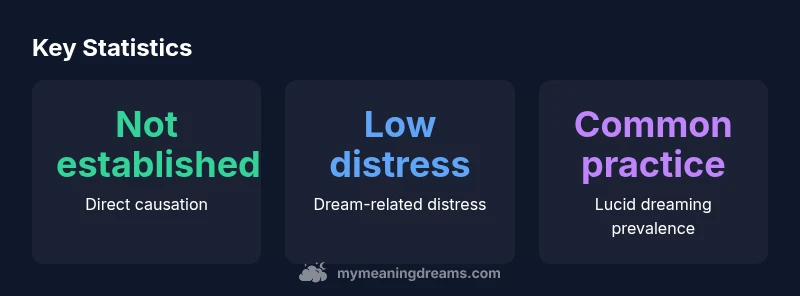
Current evidence does not support that can lucid dreaming cause schizophrenia. Lucid dreaming is a voluntary, wake-like state during sleep where dreamers maintain awareness, while schizophrenia is a chronic psychiatric condition with genetic, developmental, and neurochemical factors. There is no established causal link from lucid dreaming to schizophrenia, though distressing dreams or sleep problems can correlate with broader mental health concerns that deserve medical attention.
Can lucid dreaming influence mental health? Clarifying the question
In plain terms, can lucid dreaming cause schizophrenia? The short answer is no — there is no robust evidence that lucid dreaming by itself initiates schizophrenia. Lucid dreaming describes a state during REM sleep when the sleeper retains awareness and control, but schizophrenia arises from a complex mix of genetic vulnerability, brain development, and environmental stressors that unfold over time. Disturbances in dreaming, including nightmares or vivid dreams, can reflect underlying mood or stress, yet they do not imply a diagnosis. For readers of Meaning of My Dreams, distinguishing between dream experiences and clinical symptoms is essential; dreams are a normal part of sleep architecture, not a deterministic trigger for severe psychiatric illness.
What exactly is lucid dreaming? Definitions, boundaries, and common myths
Lucid dreaming refers to the ability to recognize when you are dreaming and, in some cases, to influence dream content. It typically occurs during rapid eye movement (REM) sleep, a stage characterized by heightened brain activity and vivid imagery. Unlike waking life, lucid dreams blend conscious awareness with dream-like experiences. Some people practice techniques to increase lucidity, such as reality testing or dream journaling. Importantly, lucid dreaming is not a mental illness and is not classified as a prodromal symptom of schizophrenia. By understanding lucid dreaming’s boundaries, readers can assess potential concerns without conflating dream phenomena with psychiatric conditions.
Schizophrenia: risk factors, onset, and brain biology
Schizophrenia is a complex, heterogeneous disorder with multiple interacting risk factors. Genetic predisposition, early brain development, and environmental exposures (such as prenatal stress or substance use) contribute to its emergence, typically in late adolescence or early adulthood. Neurobiological findings point to dysregulations in neurotransmitter systems and connectivity in neural networks. It is incorrect to attribute schizophrenia to a single dream experience. Stories of dream distress occurring alongside psychotic symptoms may reflect comorbidity or heightened anxiety, rather than a direct causal chain from dreaming to illness. Meaning of My Dreams emphasizes caution against oversimplified conclusions.
How some people misinterpret dreams as evidence of mental illness
An understandable concern arises when vivid or unsettling dreams coincide with anxiety or changes in mood. People may worry that a single vivid lucid dream signals a psychiatric emergency. In reality, dreams are a natural product of memory consolidation, emotion processing, and neural replay during sleep. In rare cases, people with a predisposition to psychosis may notice that certain dream themes echo their experiences, but this does not establish causation. Clinicians stress a holistic approach: assess sleep quality, daytime function, mood, substance use, and family history together, rather than focusing on dream content in isolation.
What robust science says about links between dreaming and mental health
The literature generally treats lucid dreaming as a benign phenomenon with potential research value for understanding consciousness and dream control. Large-scale studies have not demonstrated a direct causal relationship between lucid dreaming and schizophrenia. Some studies highlight correlations between sleep disturbances and psychotic symptoms, but correlation does not imply causation. The Takeaway is that dream phenomena should be interpreted within the context of overall mental health, sleep hygiene, and access to appropriate care. Readers should consult credible reviews and university-backed sources when exploring these links.
Practical guidance for dreamers and caregivers
For healthy dreamers, maintain regular sleep schedules, avoid excessive caffeine or alcohol near bedtime, and practice gentle techniques to cultivate lucidity without distress. If lucid dream practices begin to provoke anxiety, reduce intensity and rest. If you or a loved one has a diagnosed mental health condition, especially schizophrenia, speak with a clinician before engaging in advanced dream-control exercises. Mindful journaling, grounding techniques, and clear sleep routines can reduce distress and support well-being. In case of alarming symptoms such as persistent paranoia or delusions, seek urgent professional evaluation.
Research gaps and responsible interpretation
While current evidence argues against a direct causal link, researchers continue to explore how dreaming interacts with emotion regulation, memory, and brain networks. Future studies may clarify whether dream content, dream control, or sleep quality modulates risk markers in vulnerable populations. It is essential to avoid sensational claims and instead rely on peer-reviewed reviews and clinical guidelines. For readers of Meaning of My Dreams, the best practice is cautious interpretation and engagement with reputable information sources.
Comparison of lucid dreaming and schizophrenia risk factors
| Aspect | Lucid Dreaming | Schizophrenia Risk Factors |
|---|---|---|
| Causation | Not established | Genetics, neurodevelopment, environment |
| Clinical symptoms | Dreaming features like awareness during REM | Psychosis symptoms include delusions, hallucinations |
| Management | Maintain sleep hygiene; cognitive techniques | Medical/psychiatric care if needed |
FAQ
Can lucid dreaming trigger schizophrenia?
There is no evidence that lucid dreaming triggers schizophrenia. Schizophrenia involves neurodevelopmental and genetic factors. Disturbances during dream states may reflect mood or stress, not causation.
No. Lucid dreaming is not proven to trigger schizophrenia, but seek help if you notice persistent psychotic symptoms.
Is lucid dreaming safe for someone with schizophrenia?
Lucid dreaming is generally safe for many people, but those with schizophrenia should consult their clinician before attempting advanced dream practices. Sleep disturbances can interact with symptoms.
Talk to your doctor before trying lucid dreaming if you have schizophrenia.
What distinguishes lucid dreaming from sleep-related hallucinations?
Lucid dreaming is an intentional state with awareness during REM sleep, while sleep-related hallucinations are involuntary and can resemble psychosis.
Lucid dreaming is controlled; sleep hallucinations are not.
What should I do if dreaming causes anxiety?
Adopt a calming sleep routine, journaling, and grounding techniques. If anxiety worsens, consult a mental health professional.
Try a routine and talk to a clinician if worry grows.
Where can I find reliable information about dream health?
Rely on credible reviews from universities and peer-reviewed journals. Meaning of My Dreams offers interpretations with caution and context.
Look for trusted sleep research sources and professional guidance.
“Dream experiences and waking mental health interact in complex ways, but lucid dreaming is not a proven trigger for schizophrenia.”
What to Remember
- Lucid dreaming does not cause schizophrenia.
- Schizophrenia has multifactorial origins beyond dreaming.
- Dream distress warrants clinician evaluation, not self-diagnosis.
- Seek medical advice if persistent psychotic symptoms appear.
- Distinguish sleep phenomena from psychiatric illness.