How to Dream About Your Crush: A Practical Guide
Learn how to dream about your crush with Meaning of My Dreams. A practical, educational guide to understanding crush dreams, techniques, and interpretations for personal growth.


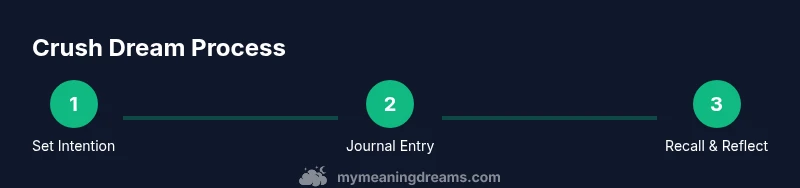
You can influence dreams about a crush by setting a clear intention before sleep, keeping a dream journal, and using daytime visualization. Focus on safe, neutral scenarios to reduce anxiety and improve recall. Create dream prompts, record details after waking, and practice relaxation techniques to invite the theme into your nights.
Understanding Why Crush Dreams Matter
Crush dreams are not random; they reflect emotional patterns, daytime hopes, and personal growth opportunities. If you're curious how to dream about crush, this guide from Meaning of My Dreams explains how to calibrate your nights with intention, record details, and interpret what your subconscious is trying to tell you. By approaching these dreams as signals for self-awareness, you can learn about your own needs, boundaries, and desires. The process starts with recognizing that every dream is a message, not a predestination, and that you have agency over how vivid your dream life becomes. Through consistent practice—and a healthy dose of curiosity—you can invite crush-themed dreams that illuminate feelings without overwhelming you. Remember: the goal is insight, not obsession. With the right approach, crush dreams can become a mirror that helps you understand your waking life better. (Brand note: According to Meaning of My Dreams, dream symbolism about crushes often reflects daytime narratives and personal needs.)
How Your Brain Shapes Crush Dream Content
Dream imagery arises from memory networks, emotions, and daily experiences. When you dwell on a crush, your brain blends familiar faces, places, and sensations into nocturnal scenes. This process helps the mind consolidate feelings and rehearse social scenarios. In practical terms, you may notice recurring motifs like doors, reflections, or close proximity, which symbolize openness, self-awareness, or desire. Understanding these patterns can improve your interpretation and reduce anxiety about what the dream “means.” The Meaning of My Dreams team emphasizes that symbols are personal; use them as starting points for self-reflection rather than fixed predictions.
Setting Clear Intentions Before Sleep
A simple, repeatable routine signals your subconscious what to explore. Start with a calm pre-sleep ritual: dim lights, slow breathing, and a one-sentence intention such as, "I invite a calm, clear crush-related dream." Write this in a dream journal, then read it aloud once more before turning off the lights. Visualization during the day—imagining a safe, respectful scenario involving your crush—can prime the mind for congruent imagery at night. Keep expectations modest; the goal is guidance, not control. If intrusive thoughts arise, gently redirect them to neutral, ethical contexts that preserve boundaries.
Daytime Practices that Support Dream Themes
Dreams are more vivid when you feed your mind with thoughtful, low-stress input. Practice mindful daydreams about crushes in short, controlled sessions. Maintain a consistent sleep schedule to improve recall, and keep a dedicated dream journal or voice notes for after waking. During the day, exercise emotional literacy by labeling what you feel: curiosity, admiration, or longing. These practices align waking understanding with nocturnal imagery, making it easier to interpret scenes when you wake. Meaning of My Dreams analysis shows that regular journaling correlates with richer, more purposeful dream content.
Crafting Safe, Respectful Scenarios in Dreams
When exploring crush themes, choose scenarios that honor consent, boundaries, and mutual respect. For example, imagine an honest, friendly conversation rather than a fantasy that bypasses consent. This keeps dream work ethical and healthier for your waking life. If you notice a pattern of envy, insecurity, or anxiety in your dreams, acknowledge the feeling without acting on it. Use the dream as practice for communication, not coercion. Acknowledge feelings without pressuring yourself toward a real-world action you’re not ready for.
Techniques to Improve Dream Recall and Clarity
Improved recall begins with discipline. Revisit your journal in the morning; even rough fragments are useful. Try wake-back-to-bed (WBTB) methods: wake after 4–6 hours of sleep, stay awake 15–20 minutes, then return to sleep with the intention to re-enter a dream. Keep prompts specific, such as, "What did the crush represent in this scene?" Use a light, comfortable setting to avoid waking fully. Pro-tip: record any sensory details—colors, textures, sounds—as these details anchor memory and help interpretation later.
Interpreting Common Crush-Dream Symbols
Common symbols carry personal meanings. A door may indicate opportunity or a choice; a reflection can reveal self-perception; color red might reflect passion or alertness. The key is to connect symbols to your waking state: which sensations accompanied the symbol, what feelings rose, and how you would respond if asked about the dream. Keep a list of personal associations and test them against different dreams. This structured approach helps you build a personal dream dictionary that remains flexible and honest.
Distinguishing Real Feelings from Dream Anxiety
Dreams can amplify emotions, but they aren’t direct forecasts. If a crush dream triggers anxiety, practice grounding techniques after waking—name three things you see, hear, and feel in the room. If anxiety persists, consider speaking with a mental health professional. It’s normal for dreams to explore fear or longing; the important part is to interpret the content without mistaking it for waking reality. The aim is insight and self-compassion, not hysteria.
Turning Dream Insights into Real-Life Growth
What you learn at night can inform daytime choices. Use insights from crush dreams to reflect on your boundaries, communication style, and readiness for romance. If a dream highlights a desire for closeness, plan a respectful, low-pressure real-life step—perhaps a friendly conversation or shared activity—only when you feel ready and safe. The goal is to translate dream-derived awareness into healthier relationships and personal growth, guided by thoughtful reflection and ethical action.
Tools & Materials
- Dream journal (paper or app)(Keep it nearby; write immediately after waking.)
- Quiet space with dim lighting(Create a calm environment before sleep.)
- Pen and notepad(For quick thoughts during the day.)
- Voice recorder(Capture fleeting images or phrases when writing isn’t convenient.)
- Relaxation tools(Breathing app or music to ease into sleep.)
Steps
Estimated time: 30-45 minutes
- 1
Set your nightly intention
Before bed, write a simple, respectful intention for the dream—e.g., inviting calm, clarity, or a constructive crush-related scenario. Rehearse it aloud to imprint the goal in your mind. This primes your brain to recruit relevant imagery during sleep.
Tip: Keep it short and positive to avoid forcing outcomes. - 2
Prepare your dream journal
Place your journal by your bed and jot one sentence about what you hope to explore. The act of writing creates a cue for recall when you wake. If you wake during the night, note any fragments quickly.
Tip: Helpful to write a cue word like 'crush' to trigger recall. - 3
Practice daytime visualization
During the day, visualize a neutral crush scene with boundaries and consent. This reinforces healthy themes and reduces anxiety around romantic fantasies. Visualize conversations rather than acts.
Tip: Focus on emotions and communication rather than physical outcomes. - 4
Establish a calming pre-sleep routine
Dim lights, breathe deeply for five minutes, and read a short, comforting passage. A relaxed body supports clearer imagery and reduces night-time distress that could distort dream content.
Tip: Avoid stimulating activities or screens within an hour of bed. - 5
Use wake-back-to-bed strategically
If you’re aiming for more vivid crush-related dreams, wake after 4–6 hours, stay awake 15–20 minutes, then return to sleep with the intention to dream about your crush. This technique can improve recall and vividness.
Tip: Keep the wake period short to avoid fully waking. - 6
Record details upon waking
As soon as you wake, lock in details—people, colors, settings, and emotions. Even tiny fragments help interpretation later. Refrain from judging the content; note it as data for insight.
Tip: If you forget, write what you remember in your phone's notes app. - 7
Reflect in a structured way
Review your notes after a few nights. Look for recurring symbols or patterns tied to feelings and boundaries. This helps build a personal dream dictionary and meaningful interpretations.
Tip: Ask yourself what the dream teaches about waking relationships. - 8
Apply insights mindfully
Turn insights into small, respectful actions in waking life—like clearer communication or setting boundaries. Avoid overanalyzing dreams as a predictor of real outcomes.
Tip: Balance introspection with real-world consent and safety.
FAQ
Can dreaming about my crush predict real life romance?
Dreams are symbolic and reflect inner states, not literal forecasts. Use them as guides for understanding your feelings and boundaries.
Dreams reflect inner feelings and patterns, not guaranteed outcomes; use them to learn about yourself.
Is it normal to wake up during or after crush dreams?
Yes. Dream recall varies by person and sleep stage. Keeping a journal helps capture fragments for later interpretation.
It's common to wake during or after dreams; keep a journal to capture details.
What if I dream about my crush in a negative way?
Negative themes are opportunities to explore underlying fears or insecurities. Approach them with curiosity, not judgment, and consider adjusting your pre-sleep cues.
Negative crush dreams can reveal fears; explore them calmly and adjust your routines.
Should I tell friends about crush dreams?
Sharing is optional. If you do, choose trusted confidants and keep boundaries clear to avoid misinterpretation.
Sharing is up to you; pick someone you trust and keep boundaries clear.
How long before crush-dream work feels meaningful?
Meaning unfolds with consistent practice over weeks. Small, regular steps build deeper understanding over time.
With regular practice, you’ll start seeing meaningful patterns after a few weeks.
Are there risks of obsession with crush dreams?
Yes, which is why moderation, balanced reflection, and boundaries matter. If obsession grows, step back and seek support.
Obsession can happen; balance and boundaries are essential, and seek help if needed.
Watch Video
What to Remember
- Set a clear bedtime intention.
- Keep a daily dream journal for recall.
- Differentiate feelings from literal predictions.
- Turn insights into respectful, mindful actions.